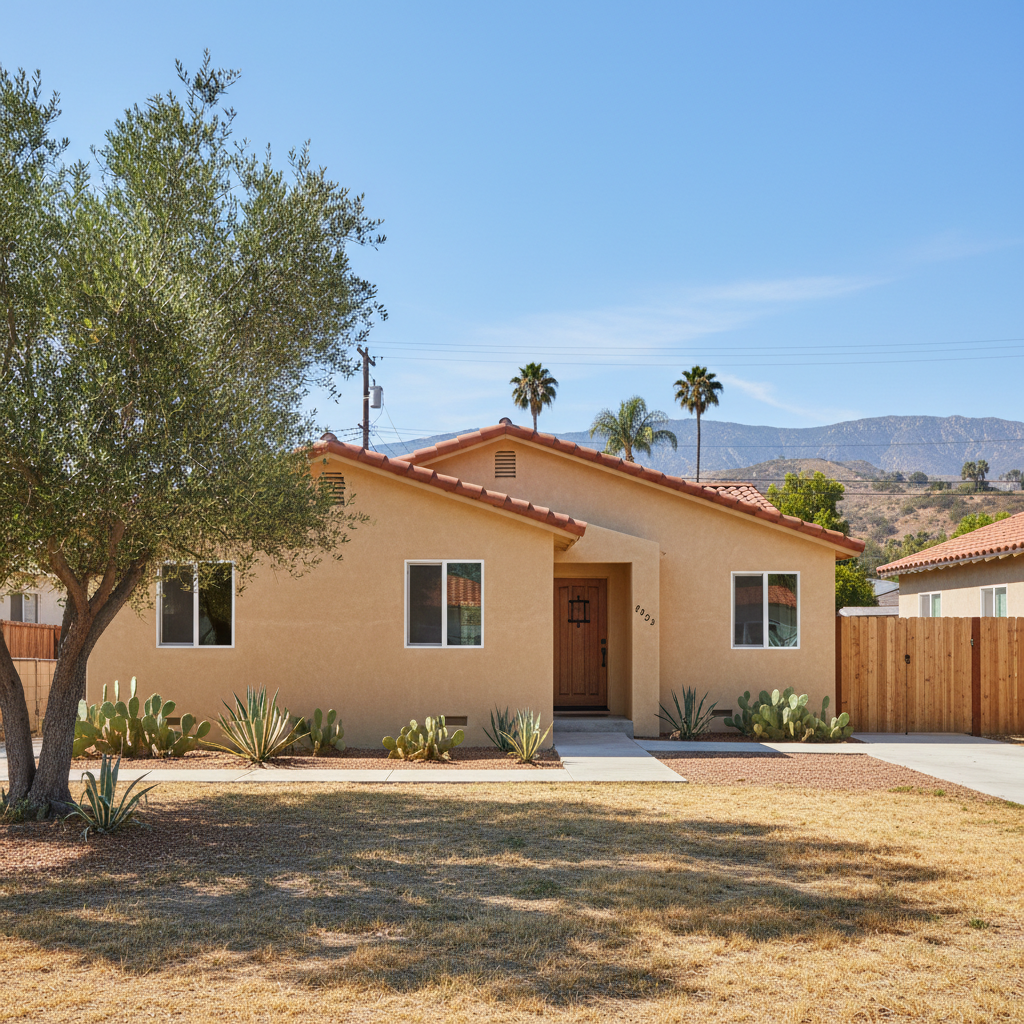
You're looking at your stucco, and maybe it's seen better days. Perhaps it looks a little tired, faded, or you've noticed some hairline cracks popping up. Thinking about a redash? That's a smart move for protecting your home's exterior, especially here in Glendale. But you can't just pick any old weekend to get it done. Our local weather—those hot, dry Santa Ana winds or the occasional winter chill, for example—really dictates how well that new stucco cures and how long it lasts.
The Best Time for Stucco Redashing in Glendale
From what I've seen over the years, the sweet spot for stucco redashing in Glendale usually falls in spring or autumn. You're really aiming for that Goldilocks zone: not too hot, not too cold, and definitely not too wet. That's when the stucco materials can cure properly, without being rushed or slowed down by extreme conditions.
- Spring (March to May): This is often ideal, really. Daytime temperatures usually stay mild, often in the 60s and 70s, and nights don't dip too low. We generally get less rain than in winter, and the intense summer heat hasn't kicked in yet. This allows the stucco to dry at a steady, controlled rate, which is super important for its strength and for preventing cracks.
- Fall (October to November): Another excellent window, no doubt. The summer heat has usually broken by then, and we're enjoying those comfortable 70-degree days. Rain isn't typically a huge concern until later in the season, and the air isn't as bone-dry as it can get during the summer. Just keep an eye on the forecast for any early winter storms.
Now, I know sometimes you just can't wait for the perfect season. Life happens, right? But if you have the flexibility, aiming for these times will honestly give you the best outcome.
Why Timing Matters: Weather Conditions and Your Stucco
Our Glendale climate isn't always forgiving, and certain weather conditions can really mess with a stucco redash job:
- Extreme Heat: We get some serious heatwaves here, especially in places like the foothills near Brand Park. When it's 90 degrees or hotter, stucco can dry way too quickly. This rapid drying can lead to shrinkage cracks, a weaker bond, and a finish that just doesn't hold up as well over time. It's like trying to bake a cake at 500 degrees—it'll cook, but it won't be right.
- Cold Temperatures: While not as common as heat, we do get some chilly nights in winter. Stucco needs to cure above a certain temperature, usually around 40 degrees Fahrenheit. If it's too cold, the stucco won't hydrate and cure properly, leading to a weak, crumbly finish. It's just not going to set right.
- Rain and High Humidity: Rain is the obvious enemy of fresh stucco. It can wash away the finish, dilute the mix, and prevent proper curing. Even high humidity, without direct rain, can slow down the drying process significantly, which can lead to other issues like efflorescence or mold if the stucco stays wet for too long. We've seen it happen after those rare but heavy winter downpours.
- Wind: Those Santa Ana winds we get? They're a real problem for stucco. They can dry out the surface too fast, just like extreme heat, leading to premature cracking. They also kick up a lot of dust and debris, which can get embedded in the wet stucco, making for a rough, uneven finish.
Protecting Your Stucco Investment Year-Round
Once your redash is done, you want it to last. Here's what you can do to protect that investment, no matter the season:
- Regular Inspections: Take a walk around your house a couple of times a year. Look for hairline cracks, water stains, or any bubbling. Catching small issues early can save you a lot of money and hassle down the road.
- Keep it Clean: Dust, dirt, and even mildew can build up on stucco. A gentle wash with a hose and a soft brush (or a low-pressure power washer, carefully!) can keep it looking fresh. Just don't blast it with high pressure; you can damage the finish.
- Manage Water: This is huge, really. Make sure your sprinklers aren't constantly spraying your stucco. Check your gutters and downspouts to ensure they're directing water away from your foundation and walls. Water intrusion is one of the biggest enemies of stucco, leading to rot, mold, and structural damage.
- Trim Landscaping: Keep bushes and trees trimmed back from your stucco. They can trap moisture against the wall, scratch the surface, and even provide pathways for pests.
- Address Cracks Promptly: If you see cracks, especially anything wider than a credit card, don't ignore them. Water can get in there and cause serious damage. A professional can assess whether it's a cosmetic fix or something more structural.
Getting your stucco redashed is a big job, and you want it done right so it lasts. Here at Glendale Stucco & Plastering, we always factor in the local weather when we schedule our projects, making sure we're setting your home up for the best possible finish and longevity. Don't hesitate to give us a call if you've got questions about your specific situation.