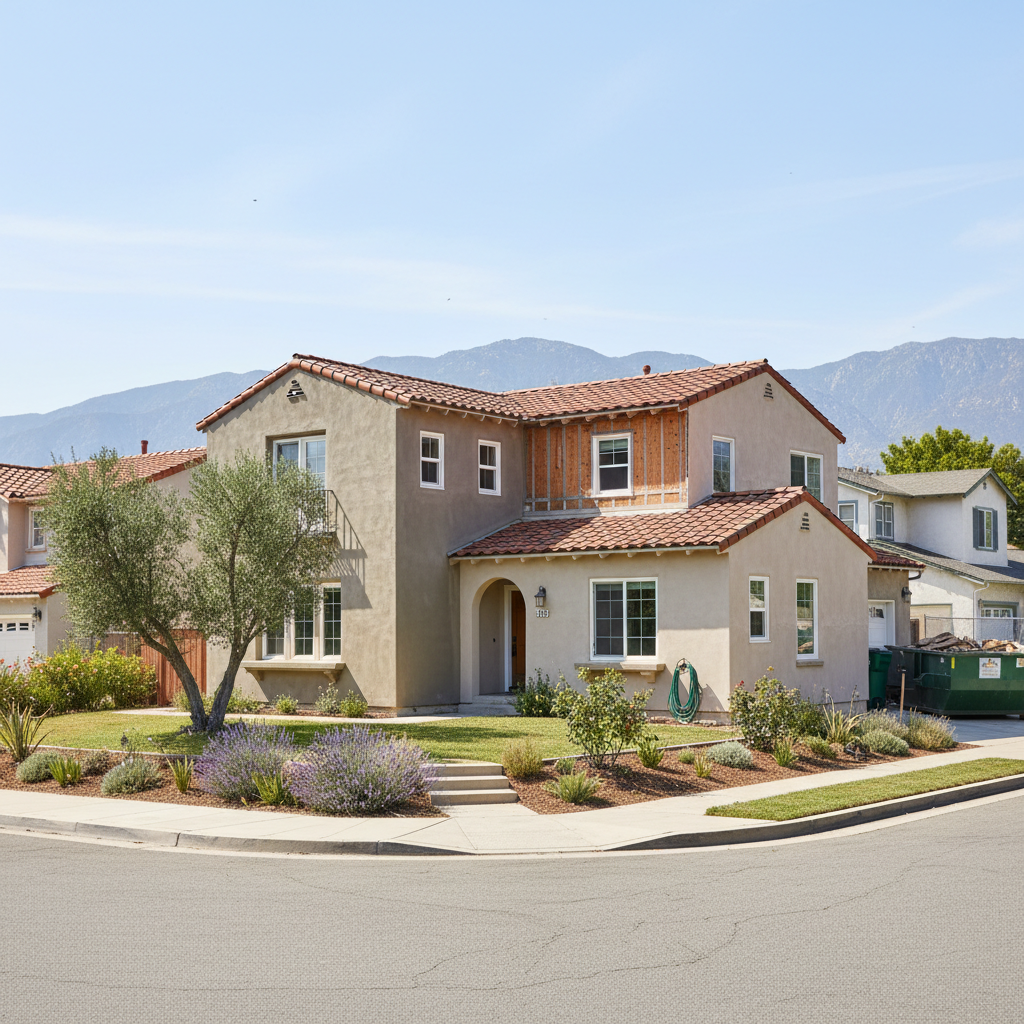
So, you're looking at your house—maybe a charming old place up in Chevy Chase Canyon, or one of those mid-century moderns down near the Americana—and you're thinking, “This stucco has seen better days.” Or maybe you're just tired of the look and want to change things up. Stucco removal isn't a simple weekend DIY project, especially not here in Glendale.
Why Are You Taking Off That Stucco Anyway?
Before you even think about swinging a hammer, ask yourself why you want to remove it. Is it just about how it looks? Or is there a deeper problem lurking? Sometimes, what seems like a cosmetic issue is actually a sign of something more serious underneath. I've seen plenty of homes where folks thought they just wanted a new look, but once we started peeling back the layers, we found water damage, dry rot, or even structural issues hidden by the old stucco. That's not to scare you, just a reality check. Knowing the 'why' helps us plan the 'how' and avoid any nasty surprises.
The Glendale Factor: What Makes Our Stucco Different?
Glendale isn't just anywhere, is it? We've got a unique mix of older homes, varying soil conditions, and a climate that can really be tough on exteriors. Many of the homes built in the 20s, 30s, and 40s, especially in areas like Adams Hill or the Rossmoyne Historic District, used traditional three-coat stucco systems. These are tough and durable, but also thick and heavy. Newer homes might have different systems, including synthetic stuccos (EIFS), which require a completely different approach to removal.
Then there's the weather. Our hot, dry summers and occasional wet winters can cause stucco to crack and fail over time, especially if the original installation wasn't done perfectly or if the house has settled a bit. When you're removing stucco, you're not just taking off a surface; you're often dealing with decades of history and how the elements have interacted with the building materials underneath.
It's More Than Just Tearing It Off
This is where a lot of people go wrong. They think stucco removal is just brute force. You can't just go at it with a sledgehammer and expect everything to be fine. Here's what you're really doing:
- Looking at the Layers: You've got the finish coat, the base coats, and then the lath (metal or wire mesh) and building paper. Each layer needs careful handling.
- Protecting What's Underneath: The goal isn't just to get the stucco off; it's to do it without damaging the sheathing, framing, or any existing windows and doors. This is especially true if you're planning to re-stucco or put up siding. You certainly don't want to create new problems while fixing an old one.
- Dust and Debris: Stucco removal is incredibly dusty. I mean, really dusty. You'll have fine particulate matter everywhere if you don't contain it properly. And then there's the sheer volume of debris. A typical house can generate tons of waste. You'll need proper disposal, and that's not cheap.
- Lead and Asbestos: For older homes, especially those built before the late 70s, there's always a chance of lead paint in the stucco or asbestos in the underlying materials. You can't just rip into that without proper testing and abatement. Ignoring this isn't just dangerous; it's illegal.
What Happens After It's Gone?
Once the stucco is gone, you're left with a blank canvas, but also a revealed structure. This is your chance to really inspect the integrity of your home's exterior. We often find:
- Damaged Sheathing: Water intrusion is a common culprit here.
- Rotten Framing: Especially around windows, doors, and rooflines.
- Outdated Insulation: A great time to upgrade for better energy efficiency, wouldn't you say?
- Unidentified Pests: Termites love to hide behind stucco.
This is the point where you decide what's next. Are you putting new stucco on? Going with siding? Or something else entirely? Planning for the next step is just as important as planning the removal itself.
Why Local Expertise Matters for Stucco Removal
You wouldn't hire a snow plow driver in Glendale, right? Same principle applies here. You need someone who understands our local building codes, the types of homes we have, and the specific challenges of working in this area. Someone who knows the difference between a 1920s Spanish Revival stucco and a 1960s ranch house stucco. Someone who's dealt with the city's permitting process for this kind of work, because yes, you'll likely need a permit.
At Glendale Stucco & Plastering, we've been doing this for years. We know the neighborhoods, we know the houses, and we know what to look for. We've seen it all, from minor cosmetic fixes to full-blown structural repairs discovered during removal. Don't just pick the cheapest guy with a hammer. Pick someone who knows what they're doing, understands the local nuances, and can ensure your home is protected throughout the process and ready for its next chapter.