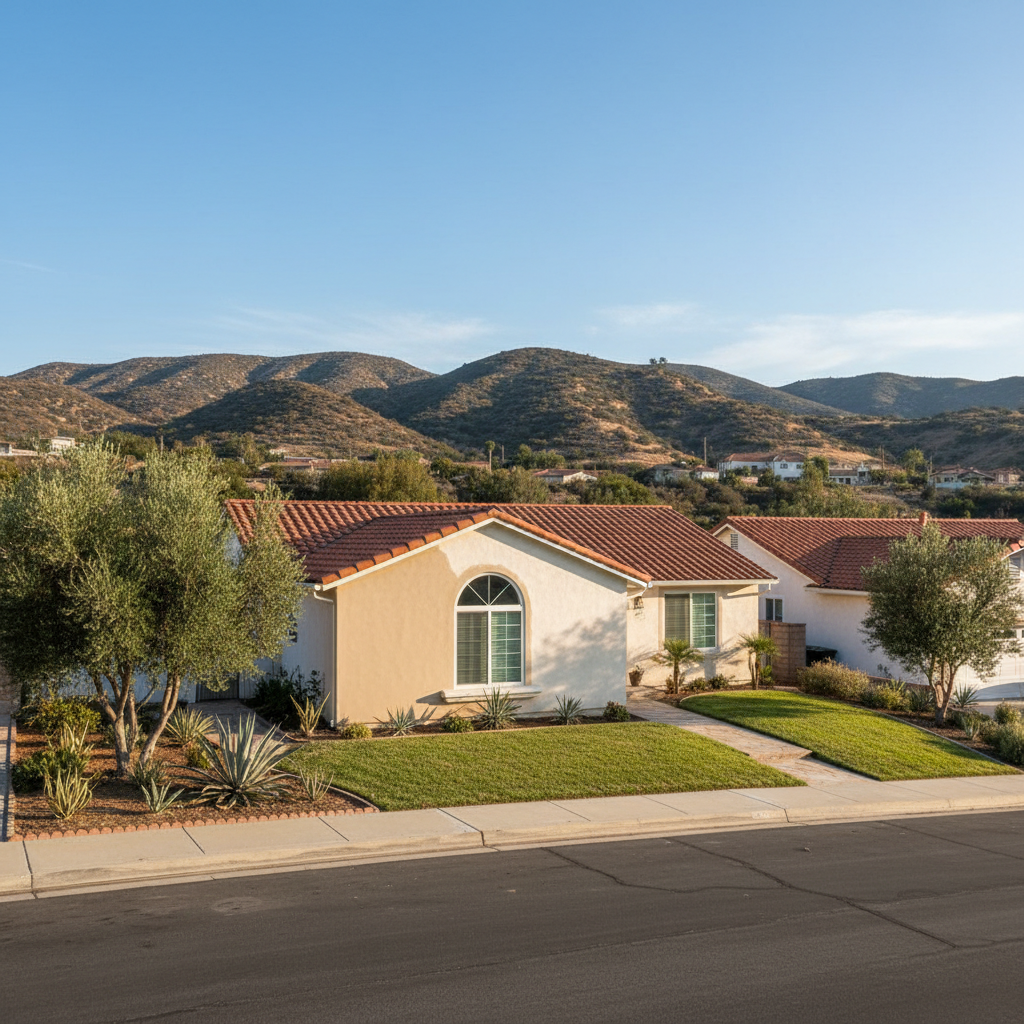
Hairline cracks in your exterior walls might seem harmless until the next heavy rain rolls through the Verdugo Mountains and turns a small fissure into a major problem. If you live around Rossmoyne or up in the hills near Oakmont, you already know how punishing our local climate can be on a house. Between the blistering summer heatwaves that bake the siding and the sudden downpours that test every joint and flashing detail, Glendale homes take a beating year-round.
Most homeowners do not think about their exterior walls until something looks off. Maybe you notice a spiderweb pattern near the window frame or a patch of discoloration that will not dry out. That is usually moisture finding its way behind the finish coat. When water gets trapped behind traditional cement plaster and the temperature swings, expansion and contraction do serious damage. Glendale Stucco & Plastering has walked up to properties off Glenoaks and spotted hairline cracks that homeowners painted over three times, thinking it was just a cosmetic flaw. Pull back that paint, and you will often find crumbling lath underneath.
Glendale Stucco & Plastering spends our days fixing patches that did not hold up because someone used the wrong mix or ignored the underlying framing issues. Stucco is not just paintable skin; it is a rigid cement system that needs to move with the building. If you patch a dynamic crack with a hard, inflexible compound, the wall is going to crack right next to it the moment the foundation settles or the humidity shifts.
Matching Texture and Color in Older Neighborhoods
Glendale has incredible architectural variety. We have 1920s Spanish revivals in neighborhoods like historic districts, mid-century modern ranches up north, and endless stucco boxes from later decades. Matching a patch on a home built in 1935 is an entirely different process than slapping mud on a modern build. Hand-trowelled finishes, lace textures, and old-school dash finishes require a delicate touch and an eye for how the sun hits that specific wall.
If a contractor patches a wall and uses the wrong aggregate size or a mismatched color batch, it is going to stand out once the sun comes around at a low angle. You want a Stucco Repair that blends into the surrounding wall so you cannot tell where the damage originally was. That takes local experience and knowing how the local supply yards stock their sand and cement.
Fixing the Root Cause
The biggest mistake DIYers and handymen make is treating the symptom instead of the source. Stucco does not crack for no reason. Sometimes it is normal house settling, but often it points to flashing failures around the roofline, leaking gutters spilling water straight down the wall, or windows that were not properly sealed when they were replaced ten years ago. If you just fill the crack without addressing why the water or movement is there, you will be doing the exact same Stucco Repair next season.
Take a walk around your property this weekend. Look closely at the corners of your window frames, the areas right above the foundation line, and any walls facing direct southern exposure. If you spot hollow-sounding areas when you tap the wall, or chunks starting to flake off near the base, it is time to get a professional set of eyes on it before winter storms test your defenses. Glendale Stucco & Plastering provides Stucco Repair services for homes in Glendale, CA.